Sensitive visual research materials
Much legitimate research data is restricted in some way—often related to copyright—but an important emerging challenge is improving the treatment of sensitive or even harmful material, for which unrestricted public access is unacceptable. Equally, researchers need to distinguish protection of work in progress, compared with providing open access to published outcomes.
annostor can manage restricted or sensitive source materials effectively, and allow you to develop research activities including using annotation—while limiting access to your immediate collaborator group. It allows the creation and annotation of restricted and sensitive visual materials using IIIF through secure authentication, permitting access only by specific individuals, for example because of copyright, and lets you manage access controls flexibly as projects evolve.
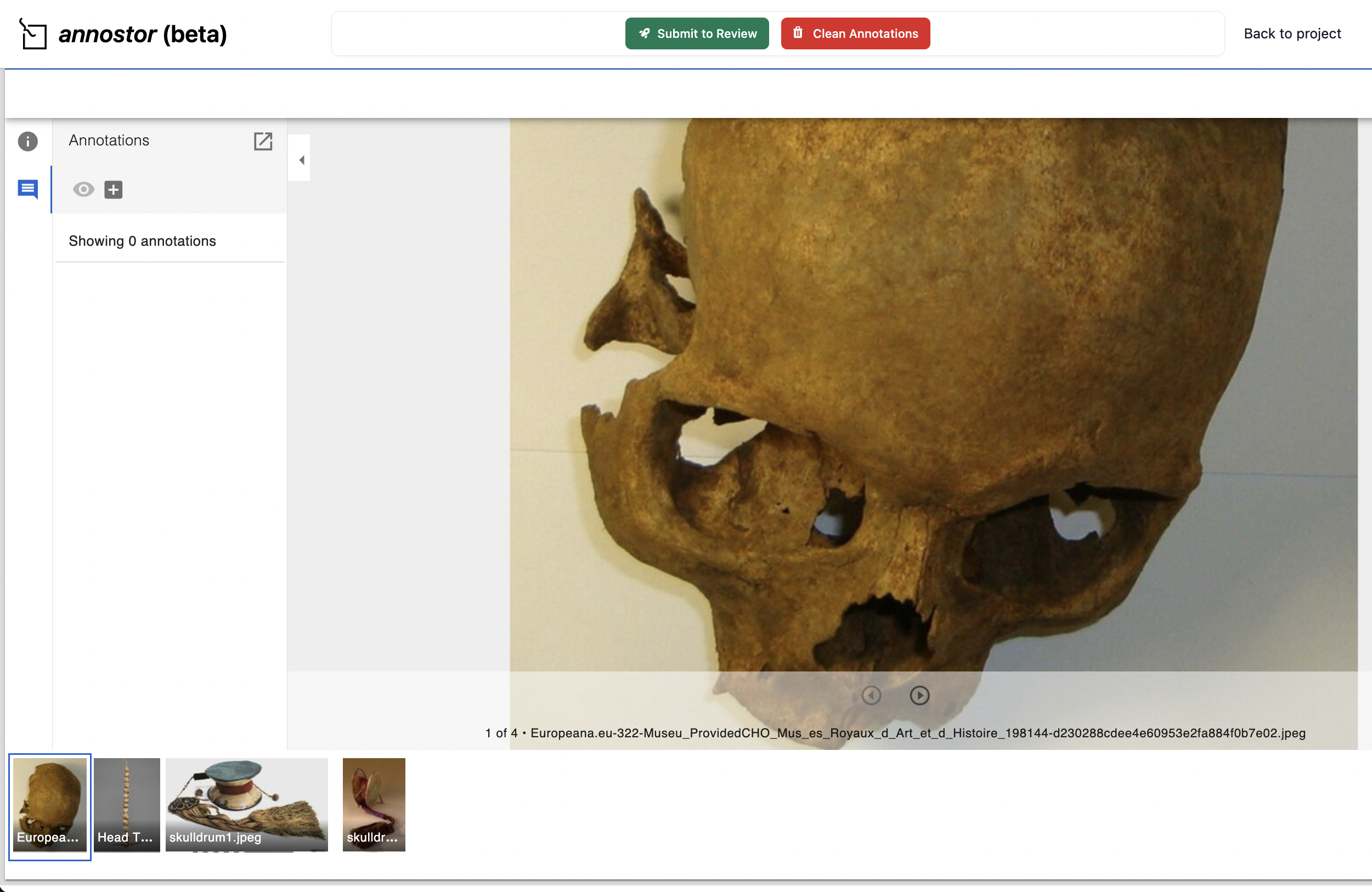
Aggregated repositories and portals such as Europeana have kickstarted research activities on hard-to-find and sensitive materials, helping to uncover hidden histories of exploitation and theft. But in the telling of these stories, the materials, including human remains, need to be treated with sensitivity and care in both the digital as well as physical realms. Read more below for examples of sensitive research materials that were available freely online but are now replaced with 'access withdrawn' notices.
Annotate restricted visual resources
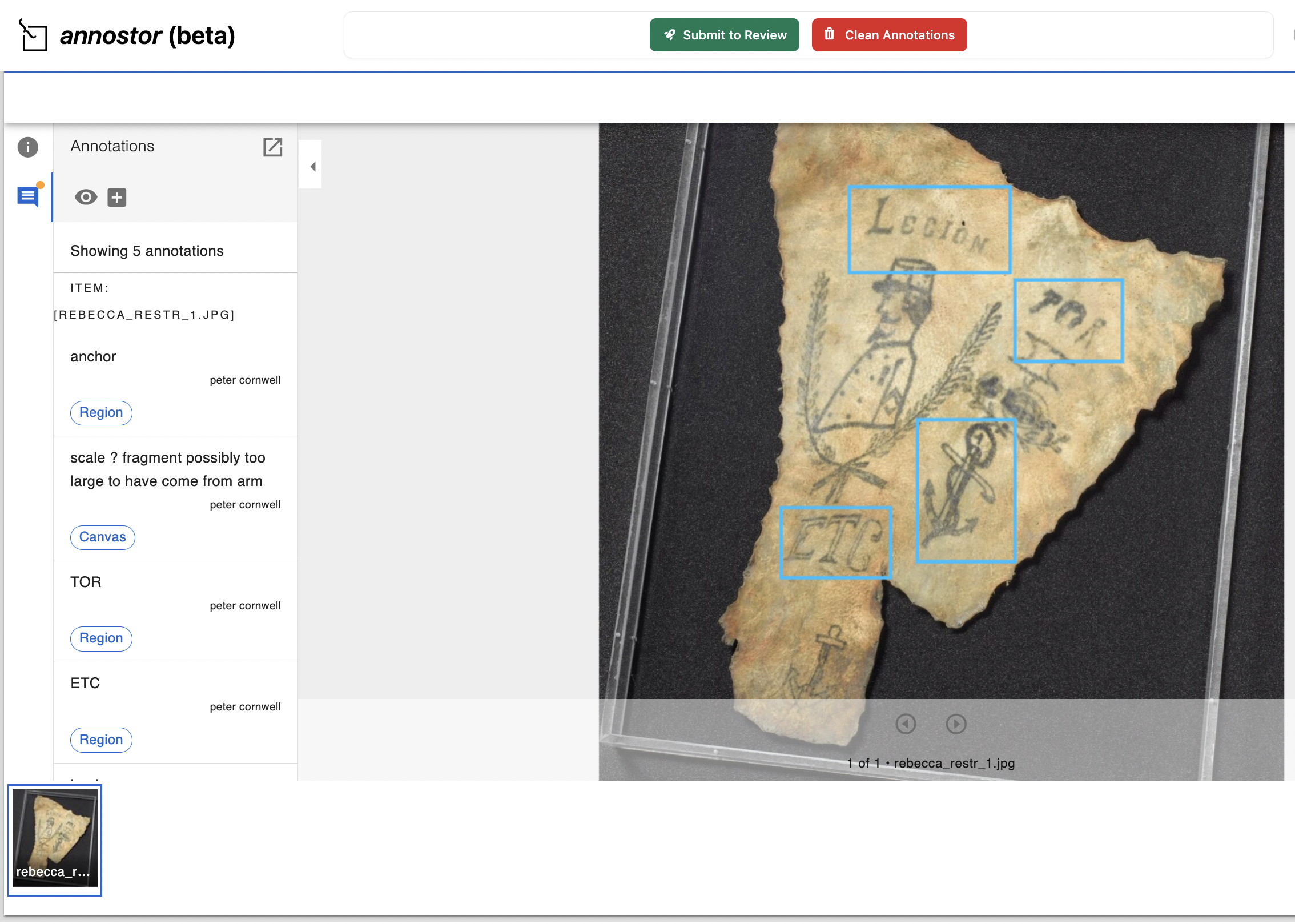
Large-scale digitisation programs over the last decade, together with blanket FAIR data mandates have resulted in sensitive heritage materials (such as images of human remains and photographs from medical collections) being made digital and spread across the web, often hastily and without access control planning. These policies are now being urgently reviewed, creating difficulties for GLAM institutions, which are now ‘depublishing’ these materials—breaking archival fixity on one hand, but also for researchers who rely on digital sources that are suddenly vanishing.
Human remains that are part of the Wellcome Foundation's physical collection and which were accessible online until 2025, for example in this Wellcome Foundation record, now display a "This work has been deleted from our public catalogue" notice. Nevertheless, discussion of this particular object, quoting the URL, appears in The ethics of managing heritage collections data online. Furthermore the image file and Wellcome metadata entry can be retrieved from Wikimedia although, without that knowledge, a reverse image search of the internet is required to locate Wikimedia's record.
Limit access to named individuals
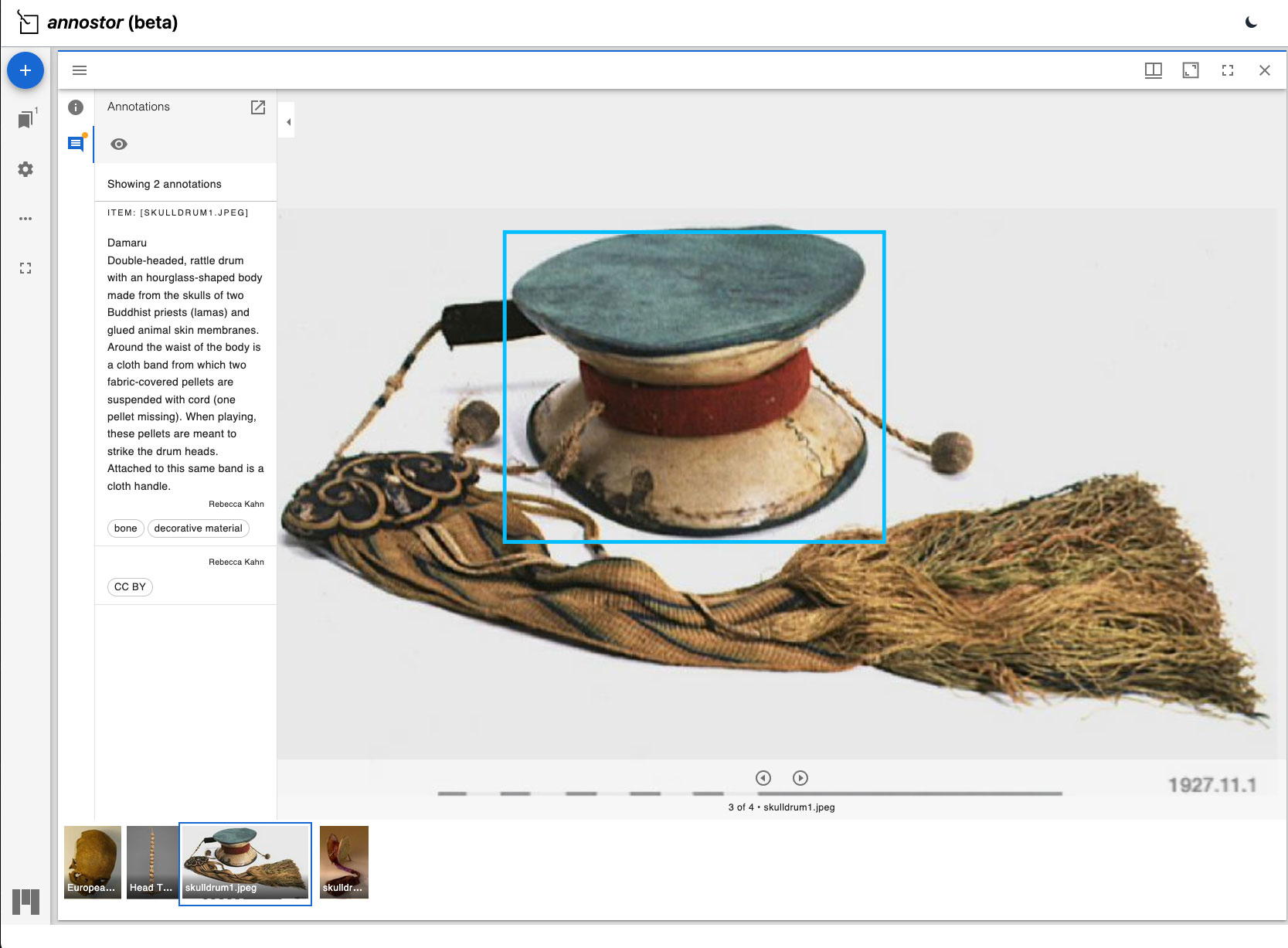
Data sovereignty and geographic replication secure heritage data from institutional security and geopolitical risks. annostor can address these evolving accessibility needs using ORCID-based authentication. A public Zenodo record created by Rebecca Khan which provides WADM annotations against the Wellcome human remains image does not, however, provide public access to the image itself. Instead, Zenodo's 'Open using annostor' facility restricts access to image: viewers are required to authenticate via ORCID, and also to acknowledge access conditions before viewing the annotated image, which is held as a secure record in the hasdai InvenioRDM repository.